Saturday, 13 June 2020

There are many cameras that shoot 1080p and their quality looks good too. Then why to choose 4k, camera over 1080p?
  • Better Resolution
The biggest and most obvious advantage of 4K video over 1080p is that 4K has a much higher resolution - nearly four times the resolution in a 16:9 ratio.

Commonly known as UHD, 4K video is any video with a horizontal resolution close to 4,000 pixels, generally accepted to be 3,840px by 2,160px. However, Full HD video is any video with a vertical resolution of 1080 pixels (standard HD video is 720 pixels).
  • Editing Versatility
A lot of filmmakers will shoot in 4K video even if the final output will only be at 1080p. This ability to scale down footage from 4K to 1080p means that the final output video has a much higher level of detail than if it was shot in 1080p only.
  • Still Images from Video
With a video resolution of 3,840 x 2,160, you can easily grab a still image from it, which works out to be 8.2 megapixels. That's plenty enough to share online, use as a thumbnail, or share on social media.

Further versatility in video post-production comes in the ability to digitally stabilize video, pan across, add motion, and crop from the full-frame to a more focused area. With four times the number of pixels, 4K video allows editors to use the footage in a much more versatile way.
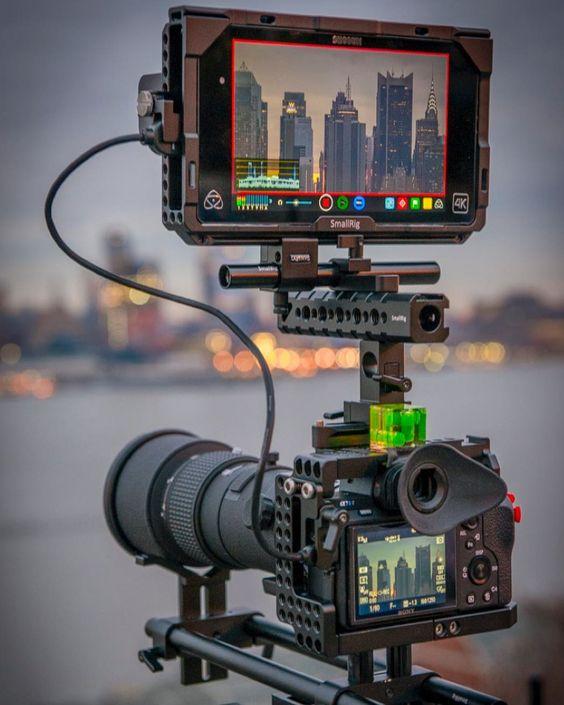
Cameras that shoots 4k
A7S ii cage #Sony A7S ii cage #Sony a7 ii cage #A7RII cage #sony camera cage #Sony A7SII rig #Sony A7sii cinema style rig
  • Sony A7SII
  • Canon 5D Mark 4
  •  Canon C 300
  • Canon 1 DX Mark 2
  • Sony A7R3
  •  Sony FS700
  • Sony FS - 5 Super Slow-Motion Camera,
  • Sony PXW Z150
  • Panasonic GH4
  • Panasonic GH5
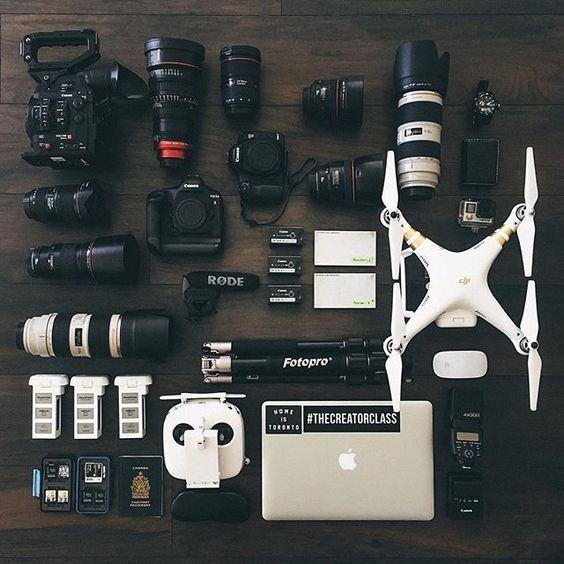
Drones
Top Dji Phantom 4 Pro Accessories You Should Have - My Drone Review
  • Phantom 4
  • Phantom 4 pro
  • Phantom 4 advance 
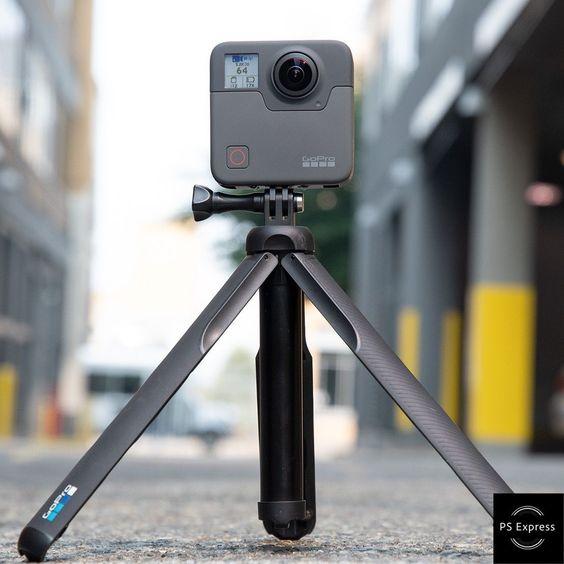
360 Cameras
GoPro FUSION 360 www.dronexpert.hu/ fpvshop.hu/ #gopro #fusion #goprofusion #goprocamera #goprocam #360camera #dronexpert #fpvshop
  • Insta 8K 360
  • GoPro Fusion
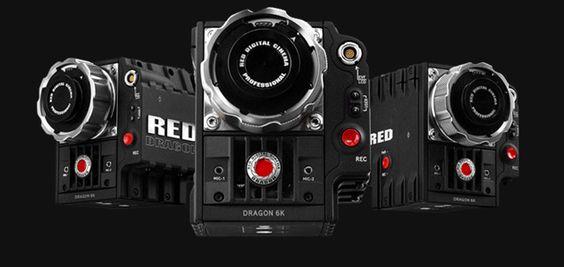
6k Cameras
RED DRAGON 6K

  • Red Dragon 6K
  • Red Scarlet 5K
  • Red MX 4.5K.

Tuesday, 9 June 2020

Best Cameras for Blogging and Vlogging in 2020


Whenever you are traveling quality of images matters a lot and can elevate
the look and professionalism of your blog. SO, which is the best camera for
blogging and/or vlogging? Is it worth putting down your phone cam to find a more
high-end blogging/vlogging camera with more capabilities? Yes 


Best Cameras for Blogging
Sony a6500(DSLR on rent)
The Sony a6500 is small compared to other DSLR cameras and can carry
anywhere. It is a mirrorless camera so have a small body but has a smaller
battery size too.
Benefits:
  • 4K video with great 5-axis in-body stabilization
  • 11 frames per second and very good autofocus allow capturing fast action
  • Weather-resistant body
  • External mic port
  • Great low light performance


Canon 800d
Benefits:
  • Relatively compact and light
  • Able to shoot 1080p video up to 60 FPS with Canon’s Dual Pixel AF
  • Fully articulating touchscreen
  • Decent battery life
  • Automatic mode works well for casual or beginner photographers
  • Good autofocus
  • Relatively inexpensive


Nikon D5600 ( DSLR at rent low as 450/Day)

It is a great entry-level DSLR with good image quality and battery life and
have lens options. Nikon has some of the best low light sensors available and
the D5600 benefits from this. If you are going to shoot in low light places then
you can get help from this camera.
Benefits:
  • Very good low light performance and dynamic range
  • Capable of shooting 1080p video at up to 60 FPS
  • Small size and good price
  • Huge number of great lenses available, including from third party brands
  • Good battery life

Nikon D750(DSLR on rent as low as 1400/Day)
D750 is a larger camera and will be difficult to carry around but it has some
other greater benefit. But it still has better battery life then mirrorless cameras
allowing you to shoot for more time. Nikon has some great low light performance
and this allows you to shoot I’m more difficult lighting conditions.
Benefits:
  • Fantastic image quality and dynamic range, even at high ISOs
  • Great autofocus when shooting stills
  • Very good ergonomics
  • 4K video
  • 8 frames per second burst shooting
  • Good weather sealing


Best Cameras for Vlogging
Sony a7R III(Rent as low as 1500/Day)
Sony has emerged as the most popular camera for vloggers and for many
good reasons. It has some best video quality, offers great still photos as well.
It’s a great option for vloggers wanting top tier equipment. But this comes at a
great price. See also the Sony a7 III, which blends features from the a7R III and
the a7S II.


Benefits:
  • 42 megapixels still images
  • Full frame sensor
  • 4K video
  • Up to 120 FPS in 1080p video
  • 10 frames per second burst shooting
  • Log video profiles
  • Very good low light performance


The relatively new Nikon D850 is probably one of the best full-frame
cameras on the market at the moment. The 45.7-megapixel sensor is
one of the best all-round and the dynamic range of 64-25,600 ISO is
incredible – so many colors are captured here that when you edit you
can see all the details preciously.
Benefits
  • 45.7MP BSI CMOS sensor
  • 7 fps continuous shooting with AE/AF (
  • 153-point AF system linked to 180,000-pixel metering system
  • UHD 4K video capture at up to 30p from full sensor width
  • 1080 video at up to 120p, recorded as roughly 1/4 or 1/5th speed slow-mo
  • Battery life rated at 1840 shots


When is the right time to buy a camera?
The answer is NEVER! I bet you as soon as you buy a camera or a
lens, a month later some other competitor will release an even better one.
Knowing when to buy the right camera is more difficult than using a
DSLR camera. I can assure you if you want to take your blogging
game to the next level then upgrading your DSLR camera is one of
the better things you can do and you can see a difference in that too.
Then even why to buy when you easily rent the DSLR on rent! It’s so easy nowadays! Our website provides the best low prices for the DSLR on rent, GoPro on rent and etc.

Wednesday, 3 June 2020

How to be a professional photographer

Everyone has different passions and they all have different ways to pursue them. We all heard the expression “ Gear doesn't make the photo, photographers make the photo”. Photography is the only career where you don’t need a degree & you only need talent to be a professional one. Capturing people emotions, pain, etc in the camera is an art. By becoming a professional one you can develop your skills and you can also have more opportunities to grow your career. Choosing the right https://www.rentoclick.com/category/camera.html, https://www.rentoclick.com/category/lens.html and https://www.rentoclick.com/search.html?searchBox=gimbal gives you the best result and while there are companies now who provide them on daily, weekly, and on a monthly basis.


• Practise post-production:


You need to do a lot of work on post-production. The post-production phase of creating a film usually takes longer than the actual shooting of the film and can take several months to complete because it includes the complete editing, color correction, and the addition of music and sound. Professional post-producers usually apply a certain range of image editing operations to the raw image format provided by a photographer or an image-bank. There is a range of proprietary and free and open-source software, running on a range of operating systems available to do this work.

• Understand Lighting:


For taking a perfect picture perfect lighting is required. A speed-light or flash is often the best photography lighting that’s on-site because of the portability. With an off-camera wireless flash system, speed-lights can do much of the work of studio strobes. Wedding and sports photographers tend to favor speed-lights because of that portability, as well as the flexibility since the same light can also be mounted on-camera. Speed-lights aren’t perfect though. They don’t reach as far as https://www.rentoclick.com/brand/lights-stand.html, the light isn’t as strong and they can take longer to be ready for that next flash of light.

• ISO &  Exposure Tips:

ISO is actually an acronym, which stands for International Standards Organization, which is the organization that standardizes sensitivity ratings for camera sensors. The ISO rating, which ranges in value from 25 to 3200 (or beyond), indicates the specific light sensitivity.
The lower the ISO rating, the less sensitive the image sensor is and therefore the smoother the image, because there is less digital noise in the image.
The higher the ISO rating (more sensitive) the stronger the image sensor has to work to establish an effective image, which thereby produces more digital noise (those multi-colored speckles in the shadows and in the mid-tones).

• OverExposure & Under Exposure:


Overexposure is when the information in the highlights is effectively unreadable. When there is this type of excessive loss of image information there is no way to “retrieve” that missing information in the digital darkroom.
Underexposure is pretty much the same concept; except, in this case, there is no image information contained within the shadows. This non-existent information cannot be retrieved through post-processing either.


• Knowing Correct background/ frame:


As you can see, choosing the right background or backdrop for your subject can be just as important as choosing the right lens for the shot. There are a few key factors when deciding on the right background/backdrop for your photoshoot.

Some of those considerations include:

• What are you shooting… a product or person? Shooting a product typically requires a crisp and clean background to give all focus to the subject.
• What look and feel does your client want? Your client might be a corporate officer just looking for a timeless headshot where a canvas background would do the trick or your client may want an edgy image where a floor drop might work as a great background.
• What mood are you trying to convey? Are you looking for something dark and moody? A plain black seamless paper or muslin could do the trick. Perhaps you are trying to recreate a scene. Here a painted backdrop and a floor drop would be a great choice.
• How much weight can you carry? Some backgrounds like canvas and vinyl can weigh a lot whereas muslin and a short roll-off seamless can weigh very little.
• How much room do you have for a backdrop? While many backgrounds come in various sizes, if you have a small 8-foot space to shoot, a 9-foot roll of seamless may not be ideal and you may need to get a shorter 53” roll instead.
• What is your budget? While muslin and the support needed to set it up is very low cost, painted canvas and some floor drops can cost up to a couple hundred dollars.